Region: Highlands (Eastern)
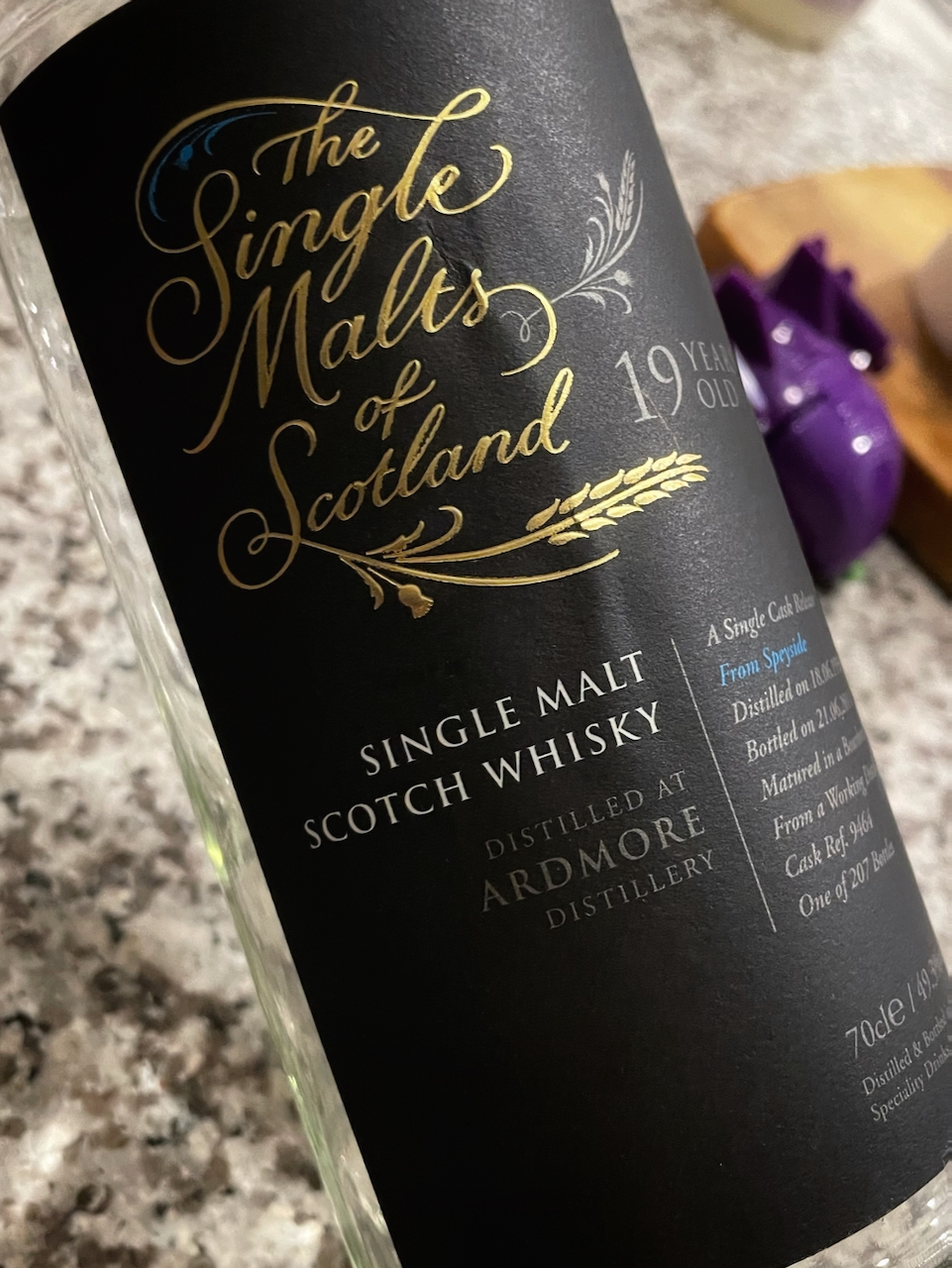
Range: The Single Malts of Scotland
Cask: 9464
(from the bottom third of my bottle)
Talisker's early history was a bit bumpy. In the 1820s, the MacAskill brothers bought a piece of land on Skye, then set about booting all of the rural renters off the property, Clearance-style. They built Talisker distillery in 1830, but the poor jerks couldn't figure out the business, filing for bankruptcy in 1848 and turning the distillery over to the bank. Donald MacLennan bought the distillery, then sold it ten years later when he couldn't turn a profit. The new owner, John Anderson, lasted all of twelve years before he went to prison for fraud. Robert Kemp, one of the next co-owners, only stayed on for twelve years as well, choosing instead to buy some distillery called "Macallan". In 1898, Talisker ownership merged with Dailuaine and Imperial. This lasted less than 18 years when the owner died and Distillers Company Limited took over. DCL → UD → Diageo has run Talisker ever since.
Though the distillery's ownership has remained stable for nearly a century, Talisker has seen changes. Triple distillation was discontinued in 1928, the distillery burst into flames in 1960, on-site malting ended in 1972 and in 1988, Talisker 10 year old was born as part of United Distillers' Classic Malts series.
With this same curiosity and concern I compared three bottlings of Talisker 18 year old, back in 2020. Not only did that Taste Off prove my point, but I was able to hypothesize what had happened to the whisky over the years. Three years before that writeup, I compared seven batches of Ardbeg Ten, and I fairly enjoyed that experience. May this Taste Off find the best elements of both of those posts!
Here's the lineup:
A technical note: For the purposes of this tasting, I am opening both windows behind me. As with the consumption of Springbank's single malts, the drinking of Talisker goes best with fresh air. And it is raining.
| Whisky | Notes |
|---|---|
| Map Label (1990s) | Smoked salmon, uncooked uncured bacon and ocean water. Green grapes, honeydew, newspaper print. Hints of toffee pudding and mesquite. |
| L15T03328098 (2001) | Possibly the smokiest of the group. Smoked almonds, smoky bacon and burnt grass. Ocean water, fresh sage and green bell peppers. With time it develops a combo of dark chocolate and berries. |
| L9 (2009) | Oh dear. Plastic siding in the summer + mesquite chips + white peaches + mint leaves. Green apples, milk chocolate and a hint of fresh herbs drift through the background. |
| L2107CM000 (2012) | The loudest nose. Mezcal, apple skins and serrano oil up front. Nutritional yeast and saline in the middle. Lemons and fish in the background. |
| L5224CM000 (2015) | Bologna (the "meat", not the place) meets heavily charred veg. Mesquite ashes, horseradish and dry soil. It gets ashier with time, while picking up notes of raw cocoa and black walnuts. |
| L9023 (2019) | Vanilla extract mixes with cinnamon, caramel, fresh sage, mesquite and woody ashes. Floral soap and candy cane notes arrive later. |
| Whisky | Notes |
|---|---|
| Map Label (1990s) | The nose's lox, bacon and mesquite merge flawlessly with yellow plums and lemons. Kelp and cayenne dot the edges. |
| L15T03328098 (2001) | Milder than the '90s version. Mellow pepper, salt, sweet and smoke. Mint and limes in the middle. Picks up a pleasant fresh berry fruitiness after a half hour. |
| L9 (2009) | Gloriously peppery, but also full of nectarines, yellow plums and lychees. Minerals and smoke frame it all. |
| L2107CM000 (2012) | Very smoky. Plenty of cinnamon and (Cajun) blackened seasoning as well. A bit of alcohol heat never lets up. Smoked salt and lemons are waaaaaay in the back. |
| L5224CM000 (2015) | Hay and salt. Tangy citrus and tangy pepper sauce. Artificial sweetener and a touch of soap. |
| L9023 (2019) | Bitter and watery at first. It gains mint, pepper and hay after 20 minutes. Some lemon and mezcal later on. |
| Whisky | Notes |
|---|---|
| Map Label (1990s) | Plums and lemons at the beachside. Gentle earthiness and light sweetness in the background. |
| L15T03328098 (2001) | Sweet oranges meet pepper sauce and a little bit of minerals. |
| L9 (2009) | Stone fruit sweetness, green herbs, truffle salt and roasted chiles. |
| L2107CM000 (2012) | Sweeter and tarter here. Good length. Smoke and chiles in the background. |
| L5224CM000 (2015) | Sweet, ashy, lightly peppery, with a hint of citron. |
| L9023 (2019) | Black peppercorns, simple syrup and a squeeze of lemon. |
| Whisky | Notes | Rating |
|---|---|---|
| Map Label (1990s) | A perfectly assembled single malt. I don't think there's anything like this on the market right now, from Talisker or anyone else. |
90
|
| L15T03328098 (2001) | I was a little worried about the palate on this one (especially since I have most of a bottle remaining), but once the fruit slipped in I was reassured. |
88
|
| L9 (2009) | Fanfuckingtastic. Depth, balance, glory, strobe lights. Even better than I remembered this era of the 10 year old to be. |
91
|
| L2107CM000 (2012) | Much rawer than the previous three. My palate had to recalibrate because this was a different whisky. Decent stuff though overall, with plenty of entertainment in the nose. |
85
|
| L5224CM000 (2015) | A very unfortunate palate. The nose saves the whole thing from descending into C-grade territory. A strange, but limp, batch of casks perhaps? |
82
|
| L9023 (2019) | Another startling shift to a different style, that of the contemporary era. Youth, oak, and thinness. Barely recognizable as Talisker. |
80 |
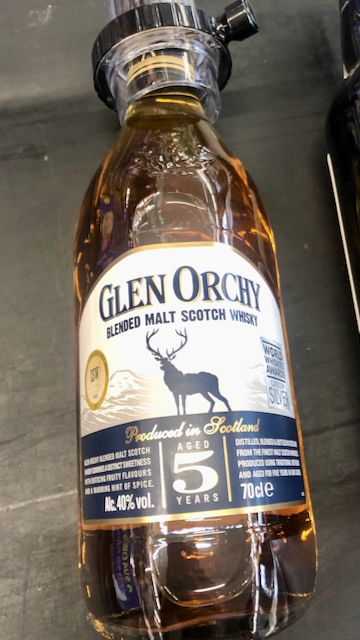
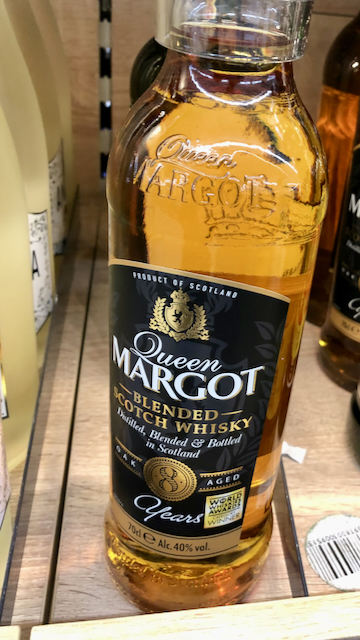
There is an actual Orchy glen in Scotland, around northeastern Argyll and Bute, just a short drive east on A85 from Oban. Like Queen Margot 8 year old, reviewed yesterday Glen Orchy 5 year old is sold exclusively at Lidl grocery stores. (Thank you to kallaskander for the Lidl info!) It appears to be going for a similar price as QM8, so yes it's time for another swig of a bottom shelf blend. Sláinte!
![]() |
| The box looks a little jet lagged after its flight back from Portugal |
Watch me sample these four versions of JW 18...
1. The first iteration from the mid- to late-1990s
2. A bottle from the mid-Aughts
3. JW Gold 18 from its final year, 2012
4. The current Ultimate 18
...if you dare (or are just chillin').